Cities have a strange way of forgetting their own hearts.
They rise in glass and ambition, glowing brighter each year, stretching toward the sky as if height alone could prove progress. But beneath that upward hunger lies a slow quiet death — the fading patches of green that once held our cities together like stitches in a fragile fabric.
A Childhood of Shade, A Present of Concrete
There used to be mornings when sunlight didn’t burn; it sifted gently through leaves and landed softly on your shoulder. Children walked to school under gullies of green where gulmohars made summers tolerable and rain sounded like applause. Sparrows lived in balconies as if rent-free guests. Trees weren’t just “environmental assets”— they were characters in our daily life.
Today, the city wakes differently.
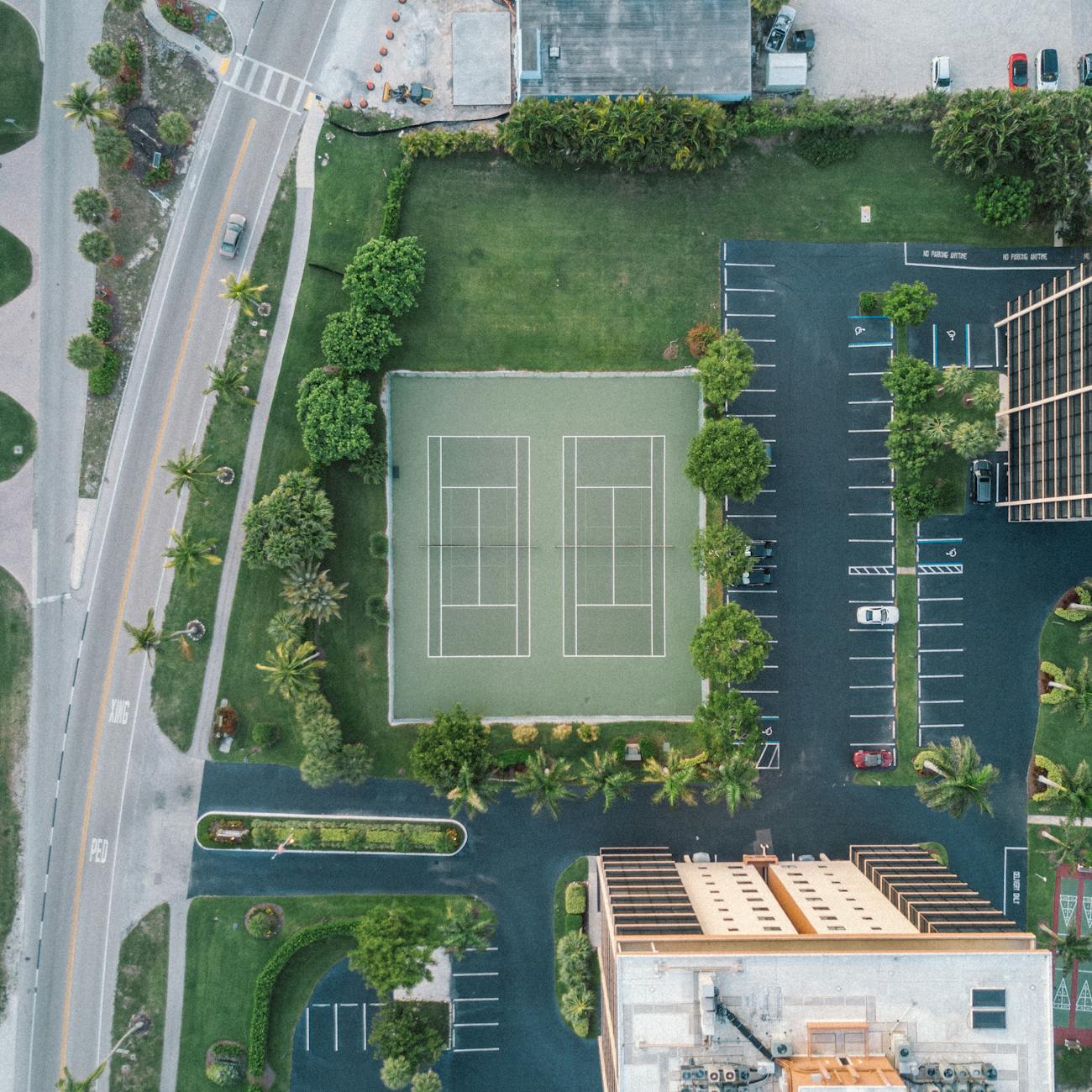
Before the sun even rises, heat radiates off the pavement. The air hangs thick, birdsong shrinks to a handful of species, and the horizon looks choked with grey. Parks feel smaller. Roads feel wider. Shade feels rare.
And suddenly you realise: the green we grew up with is not the green we live with.
Invisible Losses, Masked as Growth
Urban trees don’t disappear in a grand catastrophe.
They vanish in small, quiet sacrifices.
A road expansion.
A new housing tower.
A metro line.
An “unused” open space.
A broken limb after a storm no one bothered to support.
Each act is presented as “upgrading,” “modernising,” “optimising.”
But every lost tree is a thread pulled from the city’s tapestry — and eventually, even strong fabric unravels.
What We Lose When We Lose Trees
It’s easy to think trees are just décor.
But they are working constantly, invisibly:
- Temperature regulation: Urban areas with dense trees can be 4–5°C cooler than concrete-heavy zones.
- Air purification: A mature tree absorbs 20–22 kg of CO₂ per year, along with dust, SO₂, NOx, and particulate matter.
- Mental health: Studies show that access to greenery lowers anxiety, improves attention, and boosts cognitive performance.
- Noise buffering: A cluster of trees can reduce noise by 6–10 decibels — an invaluable gift in bustling urban corridors.
- Biodiversity: A single native tree can support dozens of bird species, pollinators, and micro-ecosystems.
- Rainwater Management: Tree canopies reduce runoff by 30–40%, lowering urban flooding.
Yet these benefits rarely make it into planning proposals.
Why Are Urban Trees Disappearing So Fast?
- Short-term economics: Buildings bring revenue; trees bring patience.
- Underfunded urban forestry: Maintenance budgets are tiny compared to infrastructure budgets.
- Heat stress killing young saplings: New trees often die before they grow taller than a human.
- Lack of ecological literacy: Many cities still treat trees as obstacles instead of civic assets.
- Compensatory plantation myths: Planting 100 saplings cannot replace a single 100-year-old tree.
And then there is human indifference — not out of cruelty, but out of habit.
We forget to look up until the branches are gone.
The Emotional Geography of Greenness
Beyond numbers and policy, there is an ache hidden in this loss.
The banyan under which you waited for the bus.
The neem that perfumed exam season.
The mango tree whose fallen leaves marked the passing of school years.
The tiny garden where someone’s childhood lived.
The shade that once held your summers like a protective hand.
When green cover disappears, cities don’t just lose trees —
they lose memories, comfort, identity.
A city without trees is a city without softness.
Regreening: More Possible Than We Think
But hope is not a fragile thing. It grows back if you water it.
- Miyawaki urban forests rebuild dense mini-ecosystems in just 3 years.
- Native tree corridors bring back migratory birds.
- School-led planting drives create generational stewardship.
- Rooftop gardens reduce temperature in entire buildings.
- Citizens’ groups have restored lakes, revived parks, and saved ancient trees.
- Policy changes can mandate no-net-loss of urban green cover.
Cities that choose green become cities that breathe — and heal.
This Moment Demands a Choice
Our cities are at a crossroads.
One path leads to blistering summers, vanishing biodiversity, unlivable heat, and air that feels like a burden.
The other leads to a future carved with canopies, cool breezes, pollinator corridors, and childhoods spent outdoors instead of behind tinted windows.
The question, then, is simple but urgent:
Will our cities grow tall…
or will they grow wise?
Hi Kapish,
It all begins with just one person taking the initiative to make a difference. The power of a single individual to effect change is immensely profound. It starts with one person, planting one tree, engaging with one society, and inspiring one neighbourhood. This is how we can begin to restore our lost green cover.
Our concrete jungles need to be transformed into more liveable spaces where both trees and humans can thrive. By nurturing our urban forests, we can create an environment where we can enjoy the beauty and magic of nature, all while allowing our infrastructure to grow sustainably.
Thank you for bringing this important topic to light. Together, we can make a significant impact.
Dear Mr. Sharma,
Thank you for your comment, and yeah, i completely agree! It begins with one person.
Keep Reading, keep loving, keep commenting!